Source Recyclable Brown Coffee Cup Sleeve for Takeaway, Retail, and Events
Find 30 listings for recyclable brown coffee cup sleeve options from Chinese manufacturers. Compare kraft paper materials, custom sizing, and biodegradable features to source suitable packaging for beverage service; compare the available evidence and request quotations based on your requirements.
Key considerations
Products List




Comprehensive Sourcing Guide
Recyclable Brown Coffee Cup Sleeve Sourcing Guide
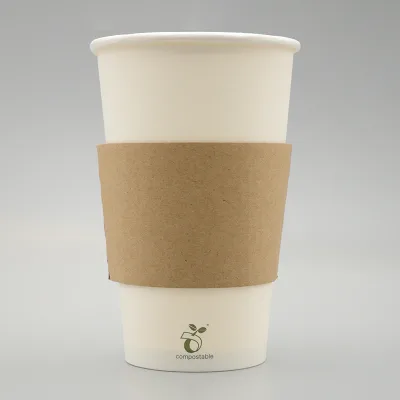
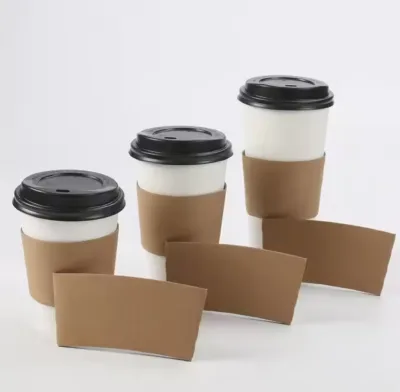
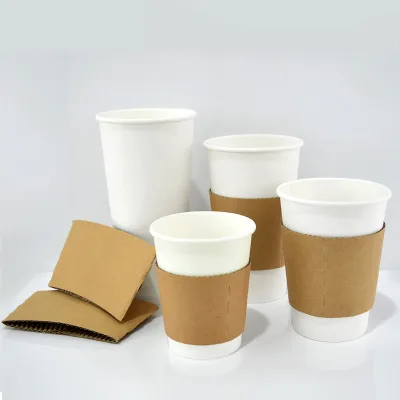
Sourcing recyclable brown coffee cup sleeves requires a clear understanding of material composition and functional design. These sleeves serve as essential thermal insulation for hot beverages, protecting hands from heat while enhancing brand visibility through customizable printing. The primary material observed in current listings is kraft paper, valued for its natural brown appearance and biodegradable properties. Buyers must distinguish between standard disposable packaging and eco-friendly alternatives that align with sustainability goals.
The market offers various sizes to fit different cup diameters, ranging from 4oz to 24oz universal covers. Customization options include logo printing, color variations, and specific shape adjustments to ensure a snug fit. Suppliers often highlight advantages such as fast delivery and sample availability, which are critical for rapid prototyping. Understanding these variables helps procurement teams select sleeves that balance aesthetic appeal with practical performance in high-volume coffee service environments.
Product Scope and Observed Listing Signals
Current market listings indicate a price range of $0.01 to $0.07 per unit, reflecting the low-cost nature of paper-based packaging. Minimum order quantities typically start at 1,000 pieces, with some suppliers requiring up to 100,000 units for optimal pricing. This wide MOQ range allows flexibility for both small boutique cafes and large commercial chains. Buyers should note that prices may vary based on customization complexity, paper grade, and order volume tiers.
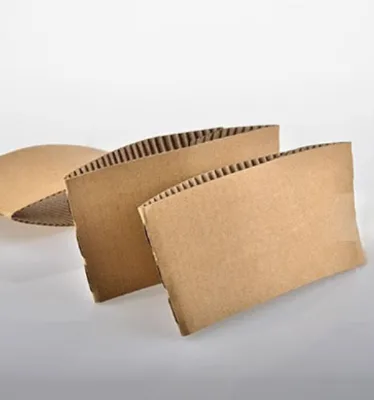
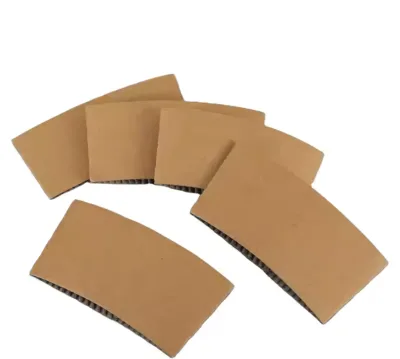
Observed product attributes include single-wall construction and folded or unfolded states, depending on the specific model. Some listings specify dimensions like 261*75mm or model numbers such as BX-0066D, indicating standardized sizing. The industrial use is primarily categorized under beverage and coffee packaging, with a focus on disposable applications. These signals help buyers identify suppliers who specialize in high-volume, cost-effective solutions for the food service industry.
Technical Specifications to Verify
Verifying technical specifications is crucial to ensure compatibility with existing cup inventory. Key parameters include the exact inner diameter, outer diameter, and height of the sleeve to prevent slipping or excessive looseness. Buyers should request detailed single package sizes and confirm whether the product is designed for single-wall or double-wall cups. The model number provided by the supplier, such as 12/16/20/24 oz universal cup cover, serves as a reference for sizing consistency.
Material thickness and tensile strength are also critical factors that affect durability during transport and use. While kraft paper is commonly cited, buyers must verify if the paper is treated for moisture resistance or greaseproofing. The shape, typically round, must align with the cup’s geometry to maintain structural integrity. Additionally, checking the folded state and packing density, such as 1,000 pieces per bale, impacts storage efficiency and shipping costs.
Compliance and Safety Documentation
Compliance with food safety standards is non-negotiable for any product intended to contact hot beverages. Buyers should request documentation confirming that the paper material meets relevant food-grade regulations in their target market. Although ISO certification is mentioned in some listings, it is essential to verify the specific scope of the certification, such as ISO 9001 for quality management or ISO 14001 for environmental management. These certifications indicate a supplier’s commitment to consistent quality and sustainable practices.
Biodegradability claims should be supported by recognized standards, such as ASTM D6400, to ensure the product breaks down appropriately in composting facilities. Buyers must avoid relying solely on marketing terms like "eco-friendly" without verifying the underlying certifications. Additionally, checking for BSCI compliance can provide insights into the supplier’s social responsibility practices, ensuring ethical manufacturing processes. Clear documentation protects brands from regulatory risks and supports sustainability reporting.
Cost Drivers and Commercial Terms
Several factors influence the final cost of recyclable brown coffee cup sleeves, including material quality, customization complexity, and order volume. Custom logo printing and unique color choices may incur additional setup fees or higher per-unit costs. Buyers should negotiate clearly defined commercial terms, including payment methods, shipping responsibilities, and lead times. Understanding these cost drivers helps in budgeting accurately and avoiding unexpected expenses during the procurement process.
Sample availability is a critical component of the commercial negotiation, allowing buyers to assess quality before committing to large orders. Suppliers often provide samples to demonstrate print quality, material texture, and fit. Buyers should clarify whether samples are free or charged, and if the cost is deductible from the final order. Additionally, discussing packing details, such as bale weight and carton dimensions, helps in calculating total landed costs, including freight and handling fees.
Supplier Qualification and Quality Control
Qualifying suppliers involves assessing their production capacity, quality control processes, and customer service responsiveness. Buyers should verify the supplier’s place of origin, with many manufacturers located in regions like Zhejiang or Anhui in China. These regions are known for their paper product manufacturing expertise, but buyers must conduct due diligence to ensure consistent quality. Requesting references or case studies from existing clients can provide valuable insights into the supplier’s reliability and performance.
Quality control measures should include regular inspections of raw materials, production lines, and finished goods. Buyers should inquire about the supplier’s defect rate and how they handle non-conforming products. Establishing clear communication channels and agreeing on inspection protocols before production begins helps mitigate risks. Additionally, verifying the supplier’s ability to handle custom orders and adapt to design changes ensures flexibility in meeting evolving market demands.
Long-Term Procurement Checks
Long-term procurement success depends on continuous monitoring of supplier performance and market trends. Buyers should establish key performance indicators (KPIs) to track delivery times, product quality, and responsiveness to issues. Regular audits and feedback loops help maintain high standards and identify areas for improvement. Staying informed about changes in material costs, regulatory requirements, and sustainability trends ensures that procurement strategies remain competitive and compliant.
Building a strong relationship with suppliers fosters collaboration and innovation, leading to better product offerings and pricing. Buyers should engage in periodic reviews to assess the supplier’s ability to scale production and meet increasing demand. Additionally, exploring alternative suppliers can provide leverage in negotiations and reduce dependency on a single source. By maintaining a proactive approach to supplier management, buyers can secure a reliable supply of recyclable brown coffee cup sleeves that support their brand’s values and operational needs.
FAQs
What material is used for recyclable brown coffee cup sleeves?
These sleeves are typically made from kraft paper, which provides a sturdy and eco-friendly option for beverage packaging. The material is selected for its durability and ability to protect hands from hot drinks while maintaining a natural brown appearance suitable for branding.
Can I customize the design on these coffee cup sleeves?
Yes, custom designs are accepted for these paper cup covers. Buyers can provide their own artwork or logos for printing, allowing for personalized branding. This customization service supports various industrial uses, including coffee shops and beverage distributors seeking unique packaging solutions.
What is the minimum order quantity for these paper cup covers?
The minimum order quantity is generally 5000 pieces, though some suppliers may accept orders starting from 1000 units. Bulk pricing often applies for larger quantities, with ranges extending up to 100,000 pieces. This flexibility helps businesses manage inventory costs effectively.
Are these coffee cup sleeves biodegradable and eco-friendly?
Yes, many of these kraft paper sleeves are designed to be biodegradable and eco-friendly. The material is disposable and suitable for sustainable packaging needs. This feature appeals to environmentally conscious brands looking to reduce plastic waste in their beverage service operations.
Which sizes are available for these universal coffee cup covers?
Available sizes include 4oz, 12oz, and customizable options to fit various cup dimensions. Specific models like 12/16/20/24 oz universal covers are also offered. Buyers can select the exact size needed to ensure a snug fit for their specific beverage containers.
Where are these recyclable coffee cup sleeves manufactured?
These products are manufactured in China, with origins in regions such as Zhejiang and Anhui. The location supports efficient production and logistics for global buyers. Manufacturers in these areas are equipped to handle large orders and provide fast delivery services for international clients.